10 Reasons Commercial Snow Management in Oakland, NJ, Is Critical for Businesses
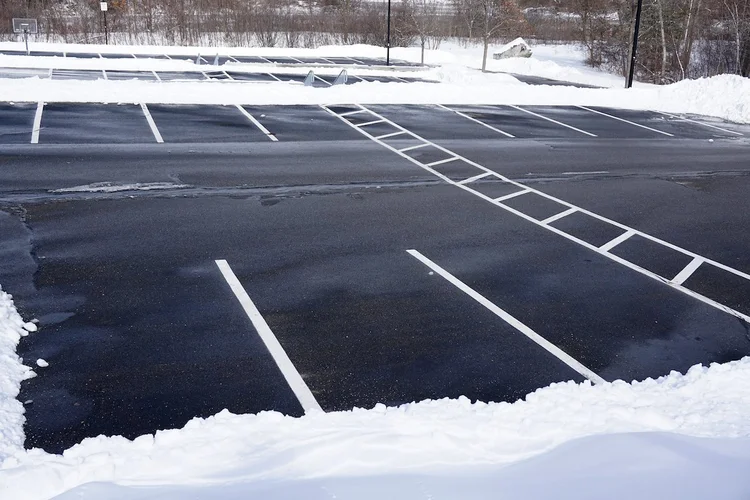
When winter weather hits, your property becomes part of your business operations. Commercial snow management in Oakland, NJ, ensures clear access for employees, customers, and deliveries while helping your facility remain operational during winter storms. Snow and ice can disrupt parking lots, loading areas, sidewalks, and entrances, creating delays that affect daily schedules and professionalism. A reliable snow management plan also supports visibility, reduces slip risks, and keeps your property looking organized during high-traffic periods.
Related: Prevent Winter Disruptions With Commercial Snow Management in Chatham, NJ
1. Commercial Snow Management Keeps Your Business Accessible During Winter Storms
When snow piles up, access becomes the first issue business owners notice. Customers may not be able to park, employees may struggle to reach entrances, and deliveries can be delayed or canceled. If the property is not cleared quickly and consistently, the disruption grows with every hour of active snowfall.
We clear priority routes first so your business stays accessible. That includes main drive lanes, primary parking areas, sidewalks, and entry routes. Our team makes all decisions on timing and sequencing based on your site plan, traffic patterns, and storm conditions, so your property remains functional even when weather shifts quickly.
2. Proactive Planning Prevents Last-Minute Operational Disruptions
Snow management works best when the plan is established before winter arrives. Reactive clearing leaves room for missed priority areas, inconsistent timing, and confusion about responsibilities. A proactive approach defines what gets cleared, when service begins, and how on-site decisions will be made during storms.
We build your snow plan in advance based on site mapping and priority zones. That allows us to mobilize quickly when storms are forecasted, with a consistent approach to clearing and de-icing that keeps your property prepared for changing conditions.
3. Clear Parking Lots Support Customer Flow And Employee Arrival
Parking lots are the largest surfaces most businesses manage during winter. They also create some of the biggest disruptions when clearing is delayed. Snow can block driving lanes, reduce available parking, and create bottlenecks that frustrate customers and slow operations.
We clear parking lots systematically, starting with the main lanes that support traffic flow, then expanding into parking rows based on your site priorities. We also manage snow placement so parking areas stay usable and sight lines remain clear.
4. Sidewalk And Entrance Clearing Supports Reliable Building Access
Sidewalks, crosswalks, and entrance routes are critical because they directly affect how people reach the building. Snow-packed walkways and icy entry points can disrupt access and create stress for employees and customers trying to enter the property.
We prioritize entrance routes, main sidewalks, and accessible walkways early in the clearing process. We focus on keeping routes clear and consistent to maintain steady foot traffic, especially during peak business hours.
5. Ice Response Protects High-Traffic Areas And Reduces Slip Risk
Snow clearing is only part of the problem. Ice can form quickly, especially in shaded zones, near building entrances, and in areas where snow melts and refreezes. Ice response has to be handled with precision and timing to keep surfaces reliable during and after storms.
We apply de-icing materials based on real conditions rather than assumptions. Our team identifies refreeze zones and addresses them as part of the snow plan, so high-traffic areas stay more stable for employees and customers.
6. Timing Matters Because Compacted Snow Becomes Harder To Clear
When clearing begins too late, snow is packed down by vehicles and foot traffic. This creates a surface that becomes more difficult to remove, potentially leading to lingering slick areas across the property. Timely clearing keeps the site in better condition during active storms.
We monitor forecasts and begin service based on agreed triggers and real-time conditions. Our crews handle clearing during active snowfall and follow up as needed to prevent snow from building into hard-packed surfaces that disrupt operations.
7. Loading Areas And Service Routes Need a Dedicated Snow Strategy
Deliveries and service access often rely on loading docks, rear entrances, and service routes that are separate from customer-facing areas. These zones are easy to overlook without a structured plan, and disruptions in these areas can affect inventory, supply deliveries, and vendor access.
We include loading areas and service entrances in your priority plan. Our team ensures these routes remain functional so your business can keep receiving deliveries and handling day-to-day operations during winter conditions.
8. Snow Placement Protects Visibility And Prevents Traffic Confusion
Where snow goes matters. Poor snow placement can reduce parking capacity, block sight lines for drivers, and create tight turns at entrances and exits. If snow piles are placed without a plan, visibility issues can create confusion and slow traffic movement across the property.
We plan piling zones and placement strategies before storms occur. Our team directs snow to areas that do not interfere with traffic flow, pedestrian access, or building visibility, keeping the property organized throughout winter events.
9. Snow Hauling Keeps Properties Functional When Space Is Limited
Some properties simply do not have enough space to store snow throughout the winter. As storms add up, snow piles can take over parking areas, block visibility, and restrict access. In these situations, hauling becomes a key part of keeping the property operational.
We evaluate your site and determine when hauling is needed. Our team manages the logistics and timing so snow removal does not disrupt business hours and your property continues to function even after multiple storms.
10. Professional Snow Management Provides Clear Accountability During Winter Weather
Snow events are stressful when there is no clarity on who is handling what, when crews will arrive, and how decisions will be made during changing conditions. Businesses need consistency, communication, and accountability to manage winter weather effectively.
We provide a structured plan, consistent service, and clear communication during snow events. Our team handles all work and decision making, including monitoring conditions, dispatch timing, and on-site clearing priorities. You receive dependable service that supports your business operations throughout the winter season.
Related: Why Effective Commercial Landscaping is Essential for Your Ho-Ho-Kus or Towaco, NJ Business

What Is The Difference Between Commercial And Residential Snow Removal?
The difference between commercial and residential snow removal comes down to scale, priorities, timing, and operational responsibility. Commercial snow management involves larger surfaces such as parking lots, drive lanes, sidewalks, loading zones, and multiple entry points that must stay accessible throughout business hours. It also requires structured site planning, priority mapping, and coordinated response during active storms so traffic flow and pedestrian routes remain functional. Residential snow removal is typically limited to a driveway, front walkway, and a smaller area of access, often handled after snowfall ends rather than continuously during a storm.
Commercial properties also require more specialized equipment, including plow trucks, loaders, and sidewalk machines, along with coordinated de-icing strategies that address high-traffic areas and refreeze zones. In addition, commercial snow management often involves documentation, clear communication, and a proactive strategy based on storm triggers and operating schedules. Our team manages all decisions and on-site work for commercial properties, ensuring your facility remains accessible, organized, and functional throughout winter weather without relying on reactive clearing or inconsistent service timing.
How Often Should You Clear Snow?
Snow should be cleared as often as needed to keep your property accessible and functional during active weather, especially in high-traffic areas such as parking lot drive lanes, sidewalks, building entrances, and loading zones. Waiting until a storm ends can create compacted snow that becomes harder to remove and can leave critical routes blocked during business hours. For many commercial properties, clearing begins once snowfall reaches an agreed threshold and continues in cycles during prolonged storms to keep access routes open. We determine the right clearing frequency based on your operating schedule, traffic volume, site layout, and weather patterns. Our team handles all timing decisions during storms to keep priority areas clear and usable throughout the event.
What Equipment Is Needed For Snow Removal?
Commercial snow removal requires equipment that matches the size, layout, and priorities of your property. Parking lots and main drive lanes often require plow trucks or skid steer loaders to clear large surfaces efficiently, while tighter areas and loading zones may need smaller equipment that can maneuver around curbs, parked vehicles, and building edges. Sidewalks and entry routes typically require compact sidewalk machines or snow blowers for precise clearing, along with de-icing application equipment to support consistent traction. We select the equipment mix based on your site map and clearing priorities so every area is handled efficiently without damaging surfaces or leaving inconsistent results. Our team brings the right equipment for each storm, manages deployment based on conditions, and completes all clearing and de-icing work without requiring you to coordinate tools, crews, or on-site decisions.
Site Mapping Creates Faster Response And More Consistent Results
A commercial property can have hidden problem areas that become difficult during winter storms, including tight corners, sloped drive lanes, shaded walkways, and congested entry points. Without clear site mapping, crews can waste time assessing conditions on arrival or clearing areas in the wrong order, leading to inconsistent results during active snowfall. We create a detailed site map before winter begins and identify priority zones, stacking locations, plow routes, and high-risk areas so every storm response is organized from the start. This planning allows our team to move quickly, focus on the areas that support daily operations, and deliver more consistent clearing across your property without relying on last-minute decision making.
Service Coordination Supports Multi-Tenant And High-Traffic Properties
Multi-tenant properties and high-traffic sites require more than standard snow removal. These locations often have multiple entrances, overlapping traffic patterns, and a higher volume of pedestrian routes that need to stay clear during business hours. If service is not coordinated, snow events can create frustration for tenants, confusion for customers, and bottlenecks in parking and loading areas. We coordinate services based on peak traffic periods, tenant access points, and site-specific priority needs to keep the property functional for everyone using it. Our team handles the timing, routing, and clearing sequence to support consistent access across the entire site rather than leaving some areas delayed or overlooked.
Clear Communication During Storms Helps You Stay Focused On Running Your Business
Winter storms create operational pressure, and the last thing you need is uncertainty about whether crews are en route, which areas are being cleared, or how conditions are being handled as weather changes. Clear communication allows you to make informed decisions about staffing, opening schedules, and site access without trying to manage snow operations yourself. We provide consistent updates during storm events and keep the communication process streamlined so you always know the status of service and what is being handled next. Because our team makes all on-site decisions, you can stay focused on running your business while we ensure the property remains accessible, organized, and operational throughout winter weather.
Related: How Commercial Lawn Care Transforms Business Landscapes in Short Hills and Saddle River, NJ