
Why Professional Irrigation Installation Matters for Long-Term Landscape Health in Pompton Plains, NJ
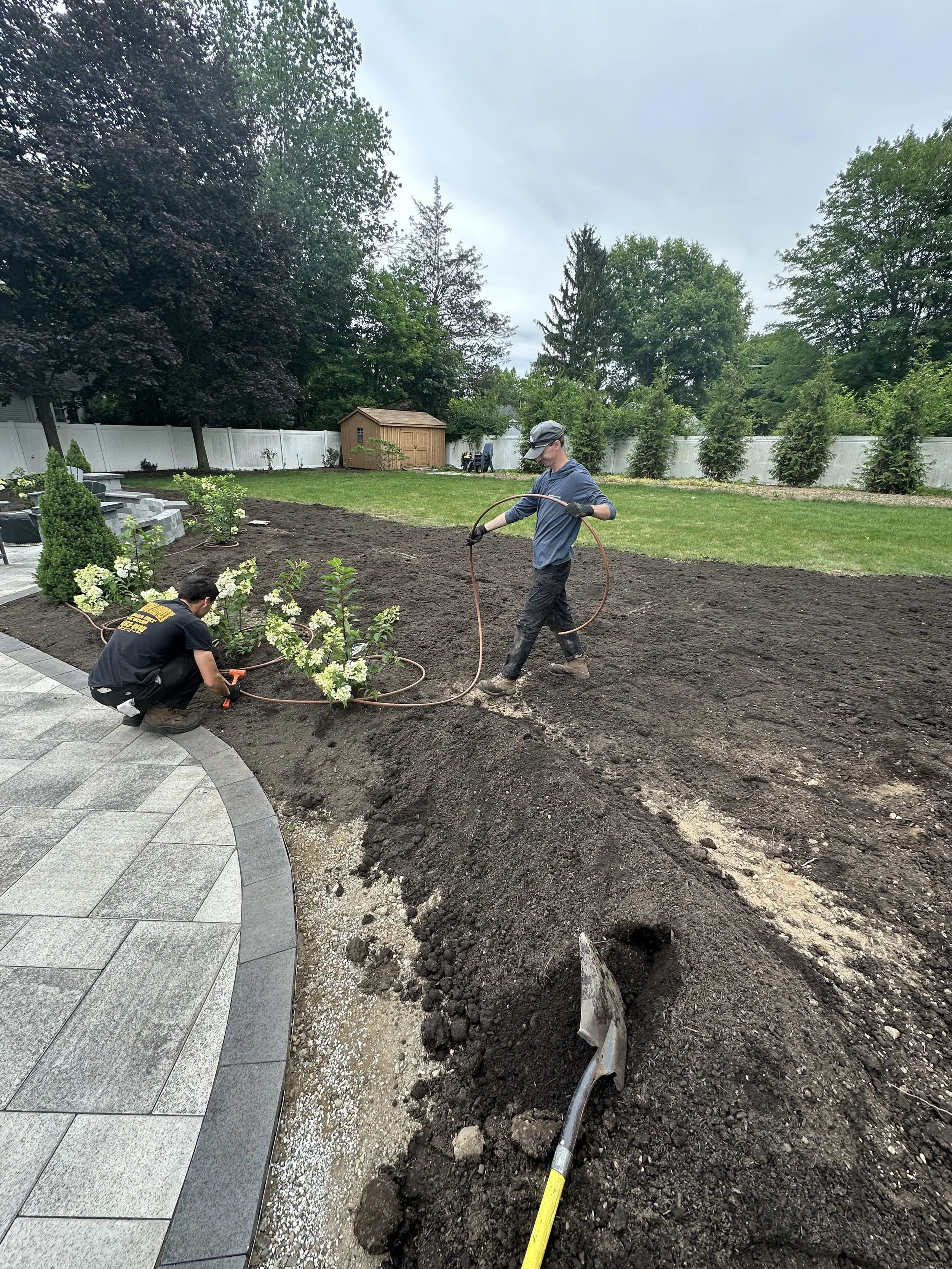
A healthy landscape depends on more than good design and quality plant material. It also depends on water.
Even the most carefully designed landscape can struggle when plants receive too much water, too little water, or inconsistent watering throughout the growing season. Brown patches in the lawn, stressed shrubs, declining trees, and wasted water often trace back to one common issue: an irrigation system that was never properly designed or installed.
That is why irrigation installation is one of the most important investments a homeowner can make for the long-term health of their property.
In Pompton Plains, NJ, homeowners face a range of seasonal conditions throughout the year. Spring rains can quickly give way to hot summer temperatures. Certain areas of the property may stay shaded while others receive full sun all day. Different plants require different amounts of water. Trying to manage all of these variables with a hose or portable sprinkler often leads to inconsistent results.
A professionally designed irrigation system helps ensure every part of the landscape receives the water it needs to thrive while reducing waste and protecting the investment already made in the property.
Why Watering Becomes More Difficult as Landscapes Mature
Many homeowners start with simple watering routines. A hose may be enough for a newly planted garden bed, and a portable sprinkler can often keep a small lawn green during dry weather. However, as a landscape grows and evolves, watering becomes increasingly complex. Trees mature and create new shade patterns, landscape beds expand, additional plantings are added, and outdoor living spaces reduce turf areas while introducing new watering challenges. What once required only a few minutes can quickly become a daily task that demands constant attention.
The difficulty is that landscapes rarely need the same amount of water throughout the property. A sunny section of lawn may require significantly more moisture than a shaded area beneath mature trees, while foundation plantings, perennial gardens, and newly installed shrubs often have entirely different watering needs. Without a properly designed irrigation system, some areas can become overwatered while others remain stressed. Over time, these inconsistencies can impact both the appearance and long-term health of the landscape.
The Cost of Improper Watering
Many landscape problems develop so gradually that they often go unnoticed until significant damage has occurred. A homeowner may spot a few brown patches in the lawn, notice a shrub beginning to decline, or wonder why certain plants never seem to thrive as expected. Because these issues emerge slowly, they are often attributed to soil conditions, insects, disease, or poor plant selection. In reality, improper watering is frequently the root cause.
Insufficient water can weaken root systems, increase plant stress, and leave landscapes more vulnerable to disease and environmental damage. Excessive watering can be just as harmful, reducing oxygen levels in the soil, encouraging root rot and fungal diseases, and wasting valuable resources. Beyond the impact on plant health, improper watering often leads to unnecessary maintenance expenses. Replacing dead plants, repairing damaged turf, and correcting preventable landscape issues can cost far more than installing a proper irrigation system from the start. A professionally designed irrigation system provides consistent growing conditions that help support healthier lawns, trees, shrubs, and landscape beds for the long term.
What Professional Irrigation Installation Includes
Many people think irrigation installation simply means adding sprinkler heads throughout the yard. In reality, a professional irrigation system is much more comprehensive. Every property has unique conditions that influence how water should be delivered. Factors such as slope, soil composition, sun exposure, drainage patterns, plant material, and property layout all affect system design.
A professional irrigation installation typically includes:
Site evaluation and property assessment
Water source analysis
Irrigation zone planning
Head placement design
Pipe installation
Controller programming
Rain and weather sensors
System testing and calibration
The goal is not simply to install equipment. The goal is to create a system that delivers water efficiently and consistently across the entire property. When designed correctly, irrigation works quietly in the background, helping the landscape stay healthy with minimal homeowner involvement.
Why Irrigation Zones Matter
One of the most important elements of an effective irrigation system is proper zoning. Because different areas of a landscape have different watering requirements, a one-size-fits-all approach rarely delivers optimal results. Lawns typically require different watering schedules than ornamental plantings, newly installed shrubs often need more frequent irrigation than established trees, and sunny areas tend to dry out much faster than shaded locations.
When every part of the property receives the same amount of water at the same time, some areas are likely to become overwatered while others remain too dry. Irrigation zones solve this problem by allowing each section of the landscape to receive water based on its specific needs. A lawn, for example, may operate on one schedule while landscape beds follow another, and areas with greater sun exposure may receive additional watering compared to those in the shade. By delivering the right amount of water to the right areas, proper zoning promotes healthier plant growth while reducing unnecessary water consumption.
How Smart Irrigation Technology Improves Efficiency
Modern irrigation systems provide a level of control and efficiency that was not possible with older technology. Rather than operating on fixed schedules year-round, today’s systems can adapt to changing weather conditions and seasonal demands. Smart controllers use temperature, rainfall, and local weather data to automatically adjust watering schedules, while rain sensors prevent unnecessary irrigation after storms. Seasonal settings further fine-tune water usage as conditions change throughout the year.
These advancements help homeowners avoid one of the most common irrigation mistakes: watering based on routine rather than the actual needs of the landscape. By applying water only when and where it is needed, smart irrigation systems support healthier lawns, trees, shrubs, and planting beds while reducing waste and lowering overall water consumption. For homeowners who travel frequently or maintain busy schedules, this technology also provides peace of mind, ensuring the landscape continues to receive proper care even when they are away.
Related: Sprinkler Repair in Ridgewood & Ho-Ho-Kus, NJ: Why Local Irrigation Demand Is Rising in 2026
How Irrigation Supports Lawn Health
A lawn is often one of the most visible parts of a property. When turf begins to decline, the entire landscape can appear neglected.
Consistent irrigation helps support:
Strong root development
Improved color and density
Better drought tolerance
Reduced stress during hot weather
More uniform growth
In Northern New Jersey, summer conditions can place significant stress on turfgrass. Long periods of heat combined with inconsistent rainfall create challenging conditions for lawns. A professionally installed irrigation system helps maintain more consistent soil moisture levels throughout the growing season. This consistency often leads to healthier turf and fewer seasonal issues.
Why Trees and Shrubs Benefit From Irrigation Installation
Many homeowners think of irrigation primarily as a way to keep lawns green, but trees, shrubs, and ornamental plantings often benefit just as much from proper watering. In fact, some of the most valuable elements of a landscape depend on consistent moisture to remain healthy and resilient. Mature trees, for example, can take decades to establish and contribute significant beauty, shade, and value to a property. When they experience prolonged water stress, they often become more vulnerable to insect infestations, disease, and environmental damage.
Shrubs and ornamental plantings face similar challenges. Consistent watering promotes healthy root development, stronger growth, and a more attractive overall appearance throughout the landscape. Irrigation systems designed specifically for landscape beds help deliver moisture efficiently and evenly, reducing runoff and unnecessary water waste. This targeted approach is especially important during the establishment period following new landscape installations, when plants require reliable watering to develop strong root systems and thrive over the long term.
How Irrigation Installation Works With Drainage
Homeowners often view irrigation and drainage as separate landscape systems, but in reality, they work closely together. A property with drainage issues frequently faces watering challenges as well, with some areas remaining overly saturated while others dry out far too quickly. Without considering both factors, it can be difficult to maintain consistent growing conditions across the landscape.
Professional irrigation design takes existing drainage patterns and site conditions into account to ensure water is delivered efficiently and effectively. The objective is to provide moisture where it is needed while minimizing runoff, preventing excessive water accumulation, and reducing the risk of overwatering. When irrigation and drainage systems are designed to complement one another, the result is a healthier, more balanced landscape that is easier to maintain and better equipped to withstand changing conditions throughout the year.
Is a Sprinkler System Worth the Investment?
For many homeowners, this is one of the first questions they ask. The answer depends on how they value their time, their landscape, and the long-term condition of their property.
A professionally installed irrigation system offers several benefits:
Reduced time spent watering
Improved landscape health
More consistent plant performance
Better water efficiency
Protection for landscape investments
Greater convenience
Homeowners often invest significant resources into landscape design, hardscaping, trees, shrubs, and lawn care. Irrigation helps protect those investments by providing the consistent water necessary for long-term success. Over time, many homeowners find the convenience alone justifies the investment.
How Long Does Irrigation Installation Take?
The timeline depends on the size and complexity of the property. Smaller residential systems may be installed within a few days. Larger properties with extensive landscape beds, multiple zones, drainage considerations, and advanced controller systems may require additional time.
The installation process generally includes:
Property evaluation and design
Utility locating and planning
Trenching and pipe installation
Head placement and zone configuration
Controller installation
System testing and adjustments
Site restoration and cleanup
An experienced contractor works carefully to minimize disruption while protecting existing landscape features throughout the installation process.
What Should Be Included in an Irrigation System Design?
Not all irrigation systems are created equal.
A thoughtful irrigation design should address several key factors:
Property Layout
The system should account for the unique layout of the property, including lawns, planting beds, hardscape areas, and existing landscape features.
Plant Requirements
Different plants require different watering strategies. The design should reflect those needs.
Soil Conditions
Soil composition affects how quickly water infiltrates and how long moisture remains available to plants.
Sun Exposure
Areas receiving full sun generally require different watering schedules than shaded locations.
Water Efficiency
The design should maximize coverage while minimizing waste.
Future Growth
A quality irrigation design considers how the landscape may evolve over time and allows for future flexibility when possible.
The most successful systems are customized to the property rather than installed using a one-size-fits-all approach.
Why Professional Installation Matters
An irrigation system is only as effective as the design and installation behind it. Even the best equipment can underperform when key elements such as head placement, zoning, and system layout are not carefully planned. Poor head placement can create dry spots and overspray, improper zoning can lead to wasted water and stressed plants, and inadequate planning often results in ongoing maintenance issues that could have been avoided from the start.
Professional installation helps ensure the system operates efficiently and reliably from day one while providing homeowners with expert guidance on water management, plant health, system performance, and long-term landscape care. At Green Nature, we understand that homeowners want solutions they can depend on for years to come. A professionally installed irrigation system should not create new problems to solve—it should provide confidence that the landscape is receiving the right amount of water at the right time, season after season.
Irrigation Installation Helps Protect the Landscape You Have Worked Hard to Build
The most successful landscapes are not sustained through guesswork. They thrive because they are supported by consistent care, thoughtful planning, and systems designed to promote long-term health and performance. A professionally installed irrigation system provides the foundation for healthier lawns, stronger trees and plantings, greater water efficiency, and added peace of mind for homeowners.
A properly designed irrigation system helps protect the appearance, value, and overall condition of the property by ensuring that each area receives the right amount of water at the right time. When watering is managed effectively, plants develop stronger root systems, landscapes remain healthier through changing conditions, and maintenance challenges are reduced. Ultimately, providing consistent, targeted irrigation allows the landscape to perform as intended—and helps transform a beautiful property into one that continues to thrive year after year.